Heart Failure
When the Heart Gets Tired:
How Heart Failure Can Lead to Sudden Death.
| 💬 BEFORE WE BEGIN — A WORD FROM YOUR NURSE Dear community, I want to talk to you today about something that frightens many people when they hear the words — heart failure. But I want you to know from the very first paragraph: this is not a post designed to scare you. It is designed to equip you. Heart failure is one of those conditions that is widely misunderstood, often discovered too late, and in our African community specifically, frequently invisible until the very worst happens. I have cared for patients with heart failure for 21 years. I have seen it at its earliest, most manageable stage. I have also sat with families after a sudden collapse that nobody expected. And in my experience, the single biggest difference between those two outcomes is knowledge. So let us sit down together, take our time, and understand this properly.By the end of this post, you will understand what heart failure is, why it can lead to sudden death, and most importantly, what you can do right now to protect yourself and the people you love. Thelma Fischer, Cardiovascular Nurse, Heart Failure Nursing Specialist (DGK) |
Heart failure does not always look dramatic. It can creep in quietly; breathlessness climbing the stairs, ankles swollen by evening, feeling more tired than usual. But underneath that quiet surface, serious changes are happening inside the heart that, if left not managed, can turn dangerous very quickly. This post explains how heart failure and sudden cardiac death are connected, and what you can do about it.
So what does the heart actually do?
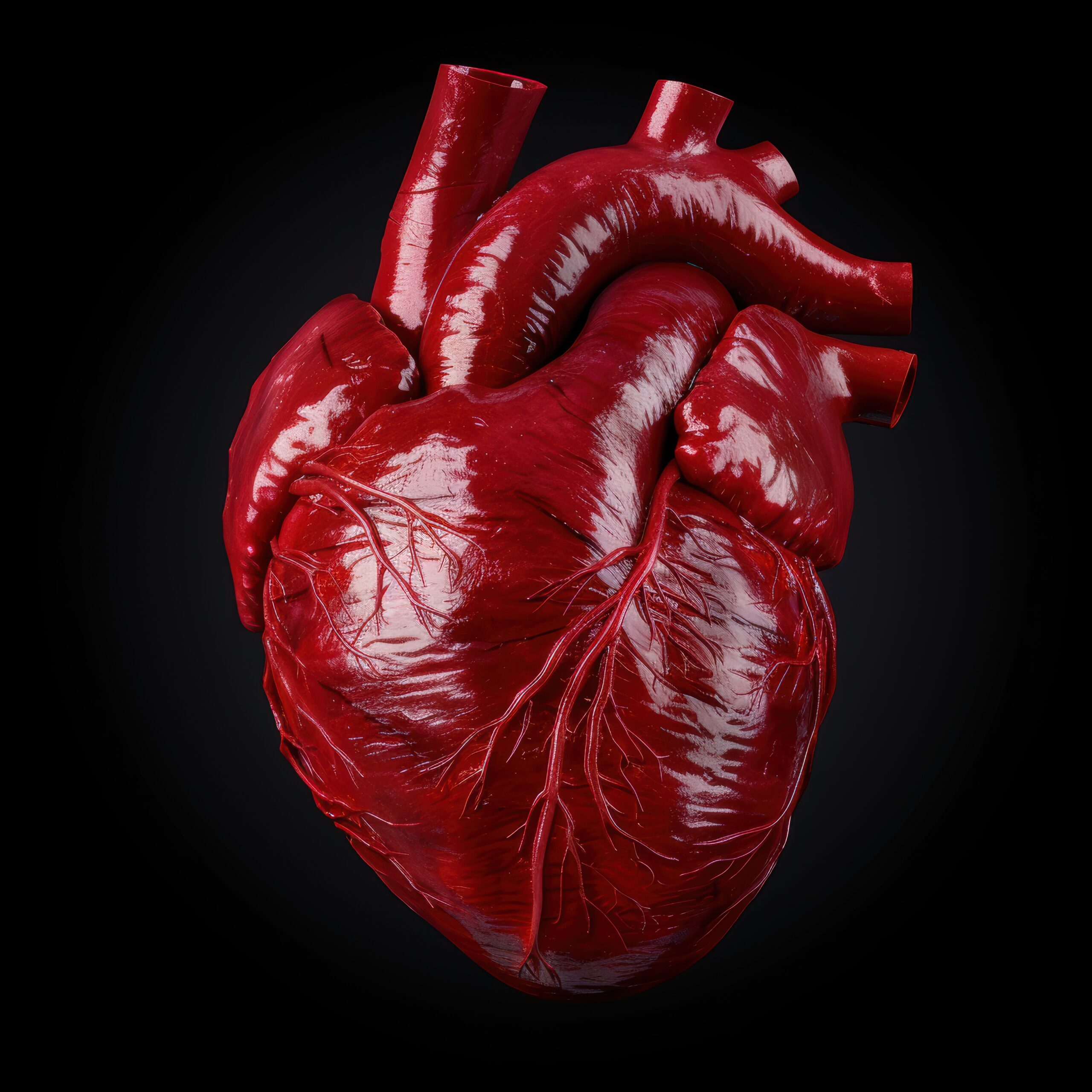 Your heart is a muscle about the size of your fist. It sits in the centre of your chest. Its entire purpose is to pump blood around your body, delivering oxygen and nutrients to every organ: your brain, your kidneys, your lungs, your muscles, your skin and everything. It does this roughly 100,000 times every single day without taking a break. When the heart is healthy, this happens smoothly and powerfully. When heart failure develops, the pump weakens or stiffens, and the consequences spread through every organ in the body because every organ depends on that blood supply.
First, Let’s Understand What Heart Failure Really Means.
Despite its name, heart failure does not mean the heart has stopped working. It means the heart is no longer pumping as well as it should. Think of it like a water pump that has been under pressure for too long. It still runs, but it can no longer deliver water with the same force or efficiency. When the heart’s pumping ability drops, the body does not get enough blood and oxygen. The kidneys, lungs, muscles, and brain all feel the effects. Over time, the heart tries to compensate by working harder and changing shape. Those very compensations are what put a person at risk of sudden death.
Picture this:
Imagine Uncle Kofi, 58 years old. He gets tired quickly, his legs swell, and he sometimes wakes up at night struggling to breathe. He assumes it is old age or stress from work. What is actually happening is that his heart is pumping at only 35% of its normal capacity. Without treatment, his risk of a sudden fatal heart rhythm is very high.
The two main types of heart failure.
| TYPE 1 — Systolic Heart Failure (HFrEF) The heart muscle is too WEAK to squeeze properly. Example: Imagine squeezing a wet sponge to get water out. Normally you squeeze it hard and water pours out. In systolic heart failure, your grip is too weak. You squeeze but barely any water comes out. The heart contracts but cannot push enough blood forward with each beat.Most common type. Often caused by heart attacks, uncontrolled high blood pressure, or cardiomyopathy. | TYPE 2 — Diastolic Heart Failure (HFpEF) The heart muscle is too STIFF to relax properly. Example: Imagine trying to fill a water bottle that is made of hard plastic instead of flexible rubber. Even if you pour water in correctly, the rigid bottle cannot expand enough to hold as much. The heart cannot relax and fill with enough blood between beats.Very common in older adults, people with diabetes, obesity, and hypertension. Increasingly common in African diaspora communities. |
| 📌 Important point to remember Both types of heart failure lead to the same problem: not enough blood reaching the organs that need it.The body does not care which type you have. It feels the effects of inadequate blood supply regardless.And those effects, when heart failure is unmanaged, become increasingly dangerous — culminating in a risk of sudden death that is very real and very preventable. |
How Does a Failing Heart Become a Dangerous Heart?
There are several ways heart failure sets the stage for sudden cardiac death. Understanding each one helps you see why early management is so important.
1. Electrical Signals Go Wrong.
Your heart beats because of electrical signals that travel in a precise, organized pattern. In a healthy heart, this rhythm is steady and regular. But when the heart muscle is weakened or scarred, as happens in heart failure, those electrical pathways become disorganized and unpredictable. This can trigger what doctors call a ventricular arrhythmia — a dangerously fast or chaotic heartbeat originating in the lower chambers of the heart. When this happens, the heart stops pumping blood effectively and can go into cardiac arrest within minutes.
⚠ Important to Know:
The most dangerous arrhythmia — ventricular fibrillation — causes the heart to quiver instead of beat. Without immediate CPR or defibrillation, it is fatal within 4 to 6 minutes. People with heart failure are at significantly higher risk of this happening than the general population.
2. The Heart Enlarges and the Walls Get Thinner.
When the heart struggles to pump, it tries to cope by enlarging and thickening its walls. At first, this seems like a good adaptation. A bigger chamber can hold more blood. But over time, the enlarged heart becomes stiff, overstretched, and electrically unstable. The thicker walls do not contract efficiently, and the stretched tissue is more prone to triggering abnormal rhythms.
💡 In Simple Terms
Picture a balloon that has been blown up too many times. It loses its elasticity and becomes fragile. An overstretched heart works the same way — more prone to tearing its rhythm apart at a moment of stress, exertion, or low potassium.
3. Low Ejection Fraction = High Risk.
Doctors measure how well the heart pumps using a figure called the ejection fraction (EF) — the percentage of blood the heart pushes out with each beat. A healthy heart has an EF of 55–70%. In heart failure, this can fall to 40%, 30%, or even lower.
55–70%
Normal ejection fraction in a healthy heart.
<35%
Threshold where sudden cardiac death risk rises sharply.
6–9×
Higher risk of sudden cardiac death compared to the general population.
When the ejection fraction drops below 35%, guidelines classify this as a critical danger zone. Doctors will typically consider an implantable defibrillator (ICD) — a small device placed under the skin that detects and corrects dangerous rhythms automatically.
4. Fluid Overload Puts Pressure on the System.
In heart failure, the body retains excess fluid because the kidneys are not getting enough blood flow to work properly. This fluid backs up into the lungs, abdomen, and legs. Beyond causing breathlessness and swelling, this fluid overload upsets the body’s electrolyte balance — particularly sodium and potassium levels — which are essential for a stable heartbeat.
Practical Example
Auntie Grace stops taking her water tablet (diuretic) for a week because she “feels fine.” Within days, her potassium drops and her legs swell. That low potassium quietly destabilizes her heart’s rhythm increasing her risk of a fatal arrhythmia, even while she is sitting quietly at home.
5. Existing Conditions Make It Worse.
People of African descent are more likely to have conditions that both cause heart failure and independently raise the risk of sudden cardiac death. Particularly high blood pressure, diabetes, and kidney disease. When these conditions coexist with heart failure, they create a compound effect. High blood pressure strains the heart walls. Diabetes damages the nerves that regulate the heartbeat. Kidney disease disturbs electrolytes. Together, they form a perfect storm.
⚠ Community Alert
Research consistently shows that people of African descent develop heart failure at a younger age, with faster progression, and with higher rates of sudden cardiac death. Managing blood pressure, blood sugar, and kidney health is not just important — for our community, it is urgent.
Warning Signs That the Heart Is Getting Worse.
Heart failure does not usually send one dramatic warning before a crisis. Instead, it sends gradual signals that are easy to ignore or misattribute to tiredness, age, or stress. Knowing these signs can be the difference between a medical appointment and an emergency.
- Increasing breathlessness: You notice you are getting short of breath doing things that never used to tire you — climbing one flight of stairs, walking to the kitchen, or even lying flat in bed.
- Rapid weight gain (fluid): Gaining more than 1–2 kg in two or three days. Especially around the ankles, legs, or belly — often means fluid is building up. This is a red flag that the heart is struggling to keep up.
- Palpitations or irregular heartbeat: Feeling that your heart is racing, fluttering, or skipping beats — especially at rest — can signal dangerous rhythm changes and should never be dismissed.
- Dizziness, fainting, or near-fainting: When the heart cannot pump enough blood to the brain, you may feel lightheaded or actually faint. This can be a warning of a serious rhythm problem.
- Waking up breathless at night: Waking up suddenly, gasping for air, and needing to sit upright to breathe, medically called paroxysmal nocturnal dyspnea. Is a classic and serious sign that the heart is decompensating.
💡 Remember
None of these symptoms are “just tiredness” or “getting old.” Each one is your body’s way of telling you that your heart needs attention. If you or someone you love experiences any of these, contact a doctor — do not wait and see.
| ② THE JOURNEY FROM HEART FAILURE TO SUDDEN DEATH |
How does a struggling heart become a fatal one?
This is the section most people have never had explained to them. And it is the most important one. So let us walk through it step by step, using examples from everyday life that make it easy to follow. Heart failure does not kill people overnight. It is a progressive condition, meaning it gets worse over time, slowly and quietly, in stages. The problem is that many of those stages have very few symptoms. You can be in danger and feel almost nothing unusual.
Stage by stage: what happens as heart failure progresses
| 🚗 THE CAR ENGINE ANALOGY — Read this first Think of your heart as the engine of a car. When you buy a new car, the engine runs perfectly. It starts first time, runs smoothly, and handles whatever you demand of it. Now imagine that engine begins to develop a fault. At first, you barely notice. The car still runs. Maybe it takes a second longer to start, or uses a little more fuel than usual. You think: it is fine. A few months later, the car struggles uphill. You notice. But it still runs on flat roads, so you do not take it to the mechanic. More time passes. The engine starts overheating. It stalls occasionally. Now you are worried, but you keep thinking: it still runs most of the time. And then one day, without warning, the engine seizes completely. The car stops in the middle of the road. It does not restart. This is exactly the journey of unmanaged heart failure. The engine — the heart — gives warning signs all along the way. But because those warnings feel manageable, many people ignore them until the point of no return. Our job together, in this community, is to read those warning signs early and act on them. |
Stage A — You are at risk but the heart is still normal.
At this stage, the heart has not yet been damaged, but you have conditions that put you at high risk of developing heart failure. This includes high blood pressure, diabetes, obesity, a family history of heart disease, and the chronic stress of diaspora life.
Symptoms: None. Zero. You feel completely well. This is exactly why this stage is so dangerous — and why routine health checks are not optional extras. They are survival tools.
| 👤 Meet Emmanuel, 38, Frankfurt Emmanuel has never felt ill a day in his life. He works hard, eats what he enjoys, and has not been to a doctor in four years. He has high blood pressure — but he does not know it because he has never had it checked.His heart is still normal. But with every day that his blood pressure goes unchecked and uncontrolled, the damage is quietly beginning.Emmanuel is at Stage A. He does not know it. |
Stage B — The heart has changed but you still feel nothing.
Now the heart has begun to show structural changes, it may have started to thicken, enlarge, or weaken. These changes are visible on an echo cardiogram (heart ultrasound). But because the heart is an extraordinary compensator, it adapts and works harder to maintain normal output. You still feel well.
Symptoms: Still none, or so mild they are easily dismissed — perhaps slight breathlessness climbing a steep flight of stairs that you attribute to being out of shape.
| 👤 Emmanuel, now 43 Five years have passed. Emmanuel’s blood pressure has been high throughout, undetected and untreated. His heart muscle has thickened in response to the pressure it has been fighting against. An echocardiogram would show this clearly.But Emmanuel has not had an echocardiogram. He has not been to a cardiologist. He still feels mostly fine.His heart is at Stage B. The damage is there. It is just quiet for now. |
Stage C — Symptoms begin. The body can no longer hide it.
This is the stage where heart failure becomes clinically apparent. The heart’s compensatory mechanisms are beginning to fail. Symptoms develop as the body is increasingly deprived of adequate blood supply, and as fluid begins to build up in places it should not be.
| Symptom | What is actually happening | How it is often dismissed in our community |
| Breathlessness during activities that never used to cause it | The lungs are filling with fluid because the left heart cannot pump blood forward fast enough | ‘I am getting older.’ ‘I need more exercise.’ ‘It is the German cold.’ |
| Swollen ankles, legs, and feet by evening | Fluid is pooling in the lower body because the right heart cannot return blood efficiently | ‘I have been standing too long.’ ‘My shoes are too tight.’ ‘It is the heat.’ |
| Needing 2 or 3 pillows to sleep — breathless when lying flat | Lying flat redistributes fluid to the lungs, making breathing harder | ‘I just prefer sleeping elevated.’ ‘It must be acid reflux.’ |
| Waking in the night gasping for air | Fluid in the lungs reaches a critical level during sleep | ‘It was a bad dream.’ ‘The room is too warm.’ |
| Extreme tiredness from minimal effort | Muscles are not receiving enough oxygenated blood to function normally | ‘I am working too hard.’ ‘I need vitamins.’ ‘It is spiritual tiredness.’ |
| Persistent dry cough, especially at night | Fluid irritating the lung tissue and airways | ‘I have allergies.’ ‘It is the German air.’ ‘I must be getting a cold.’ |
| Rapid weight gain of 1–2kg within a few days | Fluid retention throughout the body is escalating | ‘I must have eaten heavily.’ ‘It is water weight from my period.’ |
| Reduced urine output | Kidneys are receiving less blood and conserving fluid in response | Often not noticed at all |
| 👤 Emmanuel, now 47 Emmanuel has started needing three pillows to sleep. He gets breathless walking to the supermarket. His ankles are swollen by evening and his wife has mentioned it several times. He woke twice last week in the middle of the night feeling he could not breathe.He told himself it was the stress of work. He took some vitamin supplements. He has not been to the doctor.Emmanuel’s heart failure is at Stage C. The window of optimal intervention — medication, lifestyle modification, specialist follow-up — is open but narrowing with each passing week. |
Stage D — Advanced heart failure. High risk of sudden death.
At Stage D, the heart has failed to such a degree that symptoms are present even at complete rest. Basic daily activities; washing, dressing, eating, moving from the bed to the chair, cause severe breathlessness, dizziness, or extreme fatigue. The risk of sudden cardiac death at this stage is significantly elevated. The heart is now electrically unstable. The structural changes from years of failure have disrupted the electrical pathways that coordinate each heartbeat. The conditions for a fatal arrhythmia — a sudden, chaotic electrical storm that stops the heart from pumping — are fully present.
| 👤 Emmanuel, now 50 Emmanuel collapsed at home on a Sunday evening. He was getting up from his chair after dinner. He had been breathless all day but had said nothing to his family. His wife called 112. The paramedics found him in ventricular fibrillation — his heart was quivering chaotically, not pumping.They used a defibrillator. He survived. But in the hospital, the echo cardiogram showed a severely weakened heart — one that had been progressively failing for over a decade.His doctor asked: ‘Did you have symptoms before this?’ Emmanuel listed everything. The pillows. The breathlessness. The swollen ankles. The nightly gasping.’How long?’ the doctor asked. ‘About three years,’ Emmanuel said quietly.Emmanuel is alive. But his heart is permanently and severely damaged in ways that earlier treatment could have minimized. This story did not have to go this way. |
Can Sudden Cardiac Death Be Prevented in Heart Failure?
The answer is yes — and this is the most important message in this entire post. Sudden cardiac death in heart failure is not inevitable. With the right knowledge, consistent medication, and regular monitoring, the risk can be significantly reduced.
What You Can Do — Starting Today.
Whether this is about you, a parent, a sibling, or a friend, these steps matter:
- Take all heart failure medications consistently, even when you feel well — especially beta-blockers and ACE inhibitors, which specifically protect against dangerous rhythms.
- Monitor your weight daily at the same time each morning. Report a gain of more than 1–2 kg in two days to your doctor immediately.
- Keep all cardiology follow-up appointments. Echocardiograms track your ejection fraction and help your doctor adjust treatment before a crisis happens.
- Know your numbers: ask your doctor about your ejection fraction, your potassium level, and whether you need a defibrillator (ICD).
- Control contributing conditions — especially blood pressure and blood sugar. These are not separate issues; they directly affect your heart’s electrical stability.
- Reduce salt intake and watch fluid consumption if your doctor has advised this. Too much fluid stresses the heart and disrupts electrolytes.
- Learn basic CPR — and encourage your household to learn it too. If someone collapses from sudden cardiac arrest, the first 3–5 minutes are critical.
| 🌍 What our community faces that others may not. We have a higher genetic predisposition to hypertension — the leading cause of heart failure — than most other ethnic groups in Europe. We are less likely to be diagnosed early, because we attend doctors less frequently and because healthcare systems in Germany were not designed with our cultural context in mind. We carry the chronic stress of migration, financial responsibility for family at home, racial discrimination, language barriers, and cultural isolation — all of which are direct cardiovascular risk factors. We have cultural frameworks — around illness, around hospitals, around medication, around death — that can create barriers to the early action that saves lives. And we have a community that is powerful, resourceful, faith-filled, and deeply connected — which means that when we receive the right education, we share it, we act on it, and we protect each other. That is what this platform exists to do. And that is what the July Zoom series exists to begin. |
| 💬 What I want you to leave this post knowing Heart failure is serious. But it is not a death sentence. It is a condition that gives warnings — if you know what to look for.It is a condition that responds to treatment — if you take that treatment seriously.It is a condition whose most feared outcome, sudden death, can often be delayed, prevented, or survived — with the right knowledge, the right monitoring, and the right medical support. You deserve that knowledge. Your family deserves that protection.That is why you are reading this. And that is why we are here. |
 Written by Thelma Fischer
- Heart Failure Nursing Specialist (DGK) · 21 years of clinical nursing · Heart Catheter Laboratory
- Patient & Family Educator · Nurse Mentor · Community Health Advocate
MEDICAL DISCLAIMER: This blog post is written for community health education and awareness purposes only. It does not constitute personal medical advice, diagnosis, or individual treatment recommendations. Always consult a qualified healthcare professional for your personal medical situation. In a medical emergency, call 112 immediately.

Hello,
Thank you for reading. Help someone by sharing.