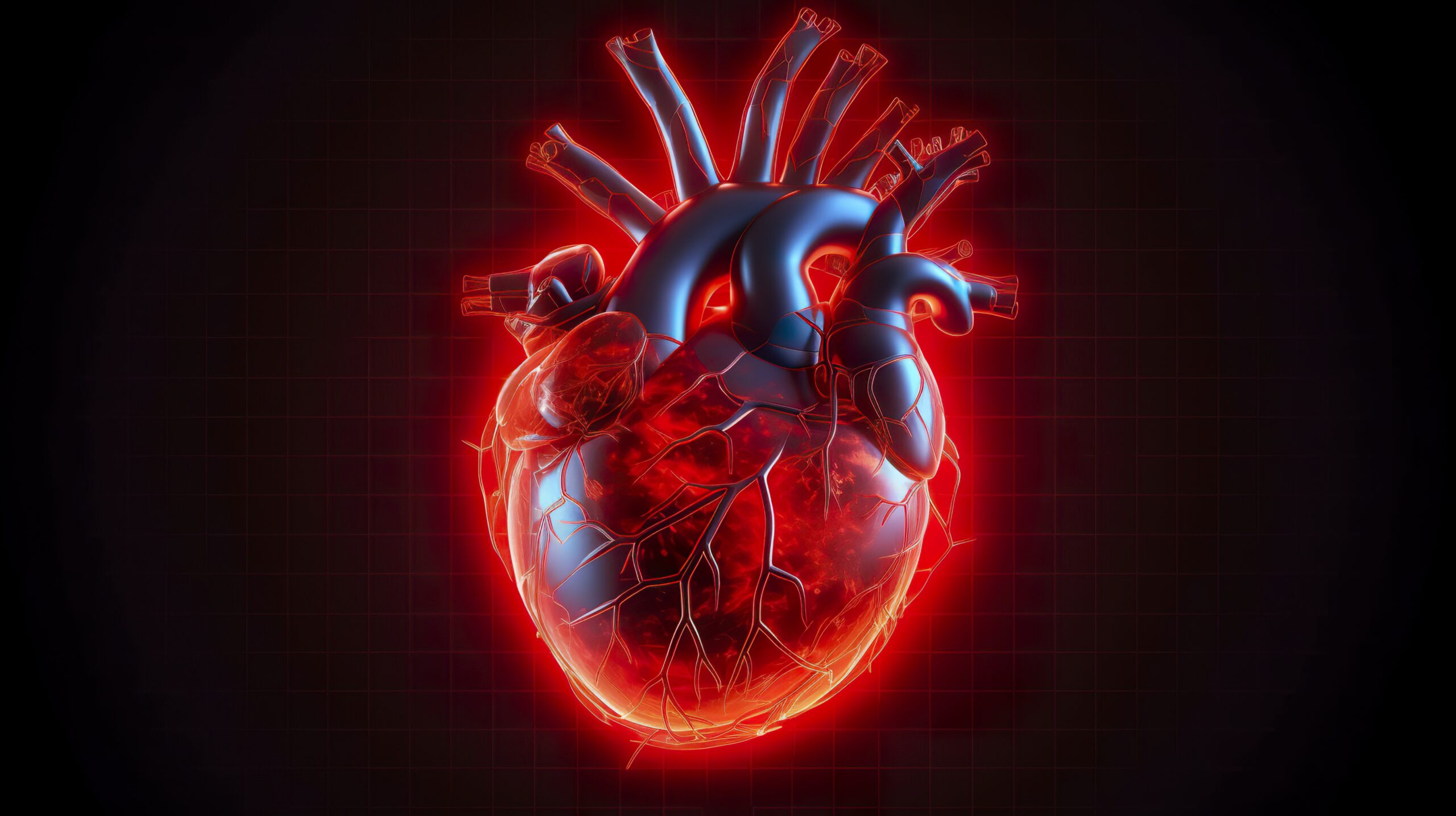
HIGH BLOOD PRESSURE
Understanding, Prevention & Self-Management
(Including its connection to sudden cardiac death)
| ① WHAT IS HIGH BLOOD PRESSURE? |
The definition:
High blood pressure — known medically as hypertension — is a condition in which the force of blood pushing against the walls of your arteries is persistently too high. Blood pressure is not a disease that you can feel or see. It builds silently, damages quietly, and often announces itself only at the moment of a crisis: a stroke, a heart attack, or a sudden collapse.
This is why it carries the name it has earned across medical literature and community health conversations alike:
| “ The Silent Killer ” High blood pressure rarely causes symptoms. No headache. No warning. No signal. You can feel completely fine today, tomorrow, and for years — while the elevated pressure is silently damaging your arteries, your heart, your kidneys, your brain, and your eyes. By the time symptoms appear, serious and sometimes irreversible damage has already been done. |
Understanding your blood pressure reading
Blood pressure is recorded as two numbers written like a fraction: for example, 130/85 mmHg. Both numbers matter equally.
| Number | Name | What it measures | Think of it as… |
| Top number | Systolic pressure | The pressure in your arteries when your heart contracts and pushes blood outward | The pressure at the moment of the pump’s push |
| Bottom number | Diastolic pressure | The pressure in your arteries when your heart relaxes and refills between beats | The resting pressure when the pump is not actively pushing |
Blood pressure categories — know where you stand
| Category | Systolic (top) | Diastolic (bottom) | What this means for you |
| Normal | Below 120 | Below 80 | Excellent. Maintain your healthy habits. |
| Elevated | 120–129 | Below 80 | A warning sign. Lifestyle changes needed now, before it progresses. |
| High — Stage 1 | 130–139 | 80–89 | Hypertension confirmed. Speak to your Hausarzt. Lifestyle changes essential. Medication may be needed. |
| High — Stage 2 | 140 or above | 90 or above | Significant hypertension. Medical treatment required. Do not delay. |
| Hypertensive Crisis | 180 or above | 120 or above | EMERGENCY. Call 112 immediately. Do not drive yourself to hospital. |
| 💡 PRACTICAL TIP: How to check your blood pressure for free in Germany Walk into any Apotheke (pharmacy) and ask to use the blood pressure machine. No appointment. No cost. Takes 2 minutes. Sit quietly for 5 full minutes before measuring. Take two readings. Write down both numbers and the date. If your reading is 130/80 or above: contact your Hausarzt for a proper evaluation this week. If your reading is 180/120 or above and you feel unwell, are confused, have a severe headache, chest pain, or difficulty speaking: call 112 immediately. |
| ② WHAT CAUSES HIGH BLOOD PRESSURE? |
High blood pressure does not usually have a single cause. In the vast majority of cases — around 90 to 95% — it develops gradually as a result of a combination of genetic, lifestyle, and environmental factors over many years. This form is called primary or essential hypertension. The remaining 5 to 10% of cases are caused by a specific underlying medical condition such as kidney disease, thyroid disorders, or sleep apnoea. This form is called secondary hypertension and is potentially curable if the underlying condition is treated.
Primary causes and contributing factors:
1. Genetics and family history
This is the starting point for our community conversation. People of sub-Saharan African descent carry a significantly higher genetic predisposition to hypertension than most other ethnic groups. This means that the body’s mechanisms for regulating blood pressure, particularly the way the kidneys handle salt and fluid — are biologically set in a way that makes high blood pressure more likely, more severe, and more damaging when it develops. This is not a weakness or a flaw. It is a biological reality that our community needs to understand and plan for. If one or both of your parents have high blood pressure, your personal risk is substantially elevated. If a grandparent died suddenly or suffered a stroke, there may be an undiagnosed hypertension history in your family that directly affects you.
2. High salt intake
Salt — specifically sodium — causes the body to retain water. More water in the bloodstream means a larger volume of fluid the heart must pump, which raises the pressure inside the arteries. The body’s kidneys are supposed to excrete excess sodium, but in people with a genetic predisposition (from a family history) to hypertension, this mechanism is less efficient. African cooking traditions are rich in flavor, culture, and community. But they are also often very high in salt. Stock cubes such as maggi, smoked and fermented fish, preserved meats, soy sauce, and heavy seasoning are all significant sources of sodium. In Germany, processed foods such as bread, sausage, cheese, tinned soups, and ready meals add large additional amounts of hidden sodium to the daily diet.
The recommended daily sodium intake for an adult is 2 grams (equivalent to approximately 5 grams of table salt — roughly one teaspoon). Many Africans in Germany consume two to three times this amount daily without realizing it.
3. Obesity and excess abdominal weight
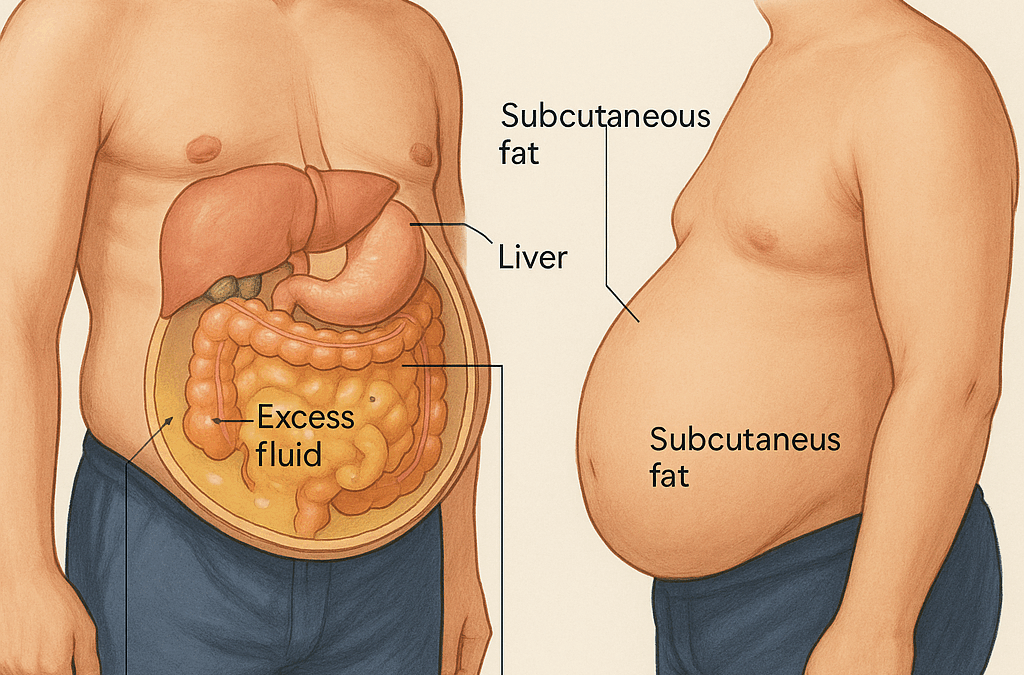
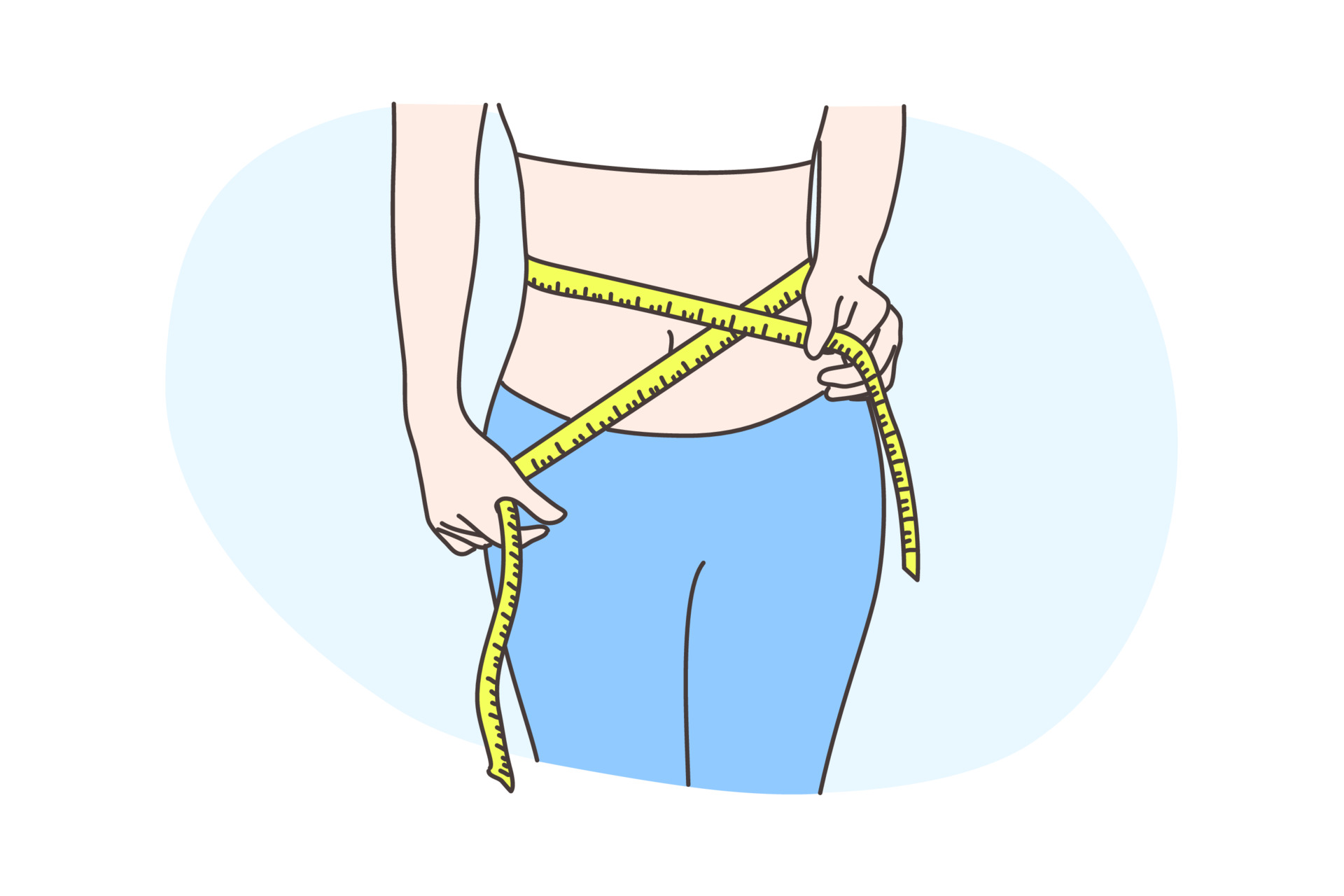
Excess body weight, particularly fat stored around the abdomen, is a powerful driver of high blood pressure. Abdominal fat is metabolically active: it releases inflammatory chemicals that damage blood vessel walls, promotes insulin resistance that impairs kidney function, and directly compresses the kidneys, impairing their ability to regulate blood pressure. A waist circumference above 88 centimeters in women or above 102 centimeters in men is considered a significant cardiovascular risk factor, independently of body weight. This measurement is more clinically meaningful than weight alone and should be part of every adult’s regular self-assessment.
4. Chronic stress; the diaspora amplifier
Stress triggers the release of adrenaline and cortisol which are the body’s emergency hormones. These hormones cause the heart to beat faster, the blood vessels to constrict (tighten), and blood pressure to rise. In short-term situations (running from danger, responding to a crisis) this is the body working as it should. This is a normal process that is good for the body to fight danger. The problem is chronic stress; when the stress response never switches off. When the stress response becomes a permanent situation in your system.
For Africans in Germany, the sources of chronic stress are real, layered, and often invisible to the outside world: the weight of financial responsibility for extended family at home, uncertainty about visa and residence status, language barriers in daily life, experiences of racial discrimination and microaggression, loneliness and cultural isolation, the pressure of performing in a system not designed with us in mind, and the grief of living far from community and belonging. Research shows a direct, measurable link between these experiences and elevated blood pressure. The body keeps score. And for our community specifically, the score is higher than it should be.
5. Physical inactivity
Regular physical activity strengthens the heart muscle, making it pump more efficiently and with less effort. It reduces arterial stiffness, helps manage weight, lowers resting blood pressure, reduces cortisol levels, and improves sleep quality, all of which directly lower blood pressure. Many Africans experience a dramatic reduction in physical activity after relocating to Germany. Physically demanding work or daily walking at home is replaced by desk jobs, long commutes on public transport, and a cold climate that discourages outdoor movement. This transition is one of the most underappreciated contributors to the hypertension epidemic in our community.
6. Type 2 diabetes and insulin resistance
Diabetes damages the blood vessels and impairs kidney function, both of which directly raise blood pressure. High blood sugar causes inflammation inside arterial walls, stiffens the vessels, reduces their ability to dilate, and impairs the kidney’s ability to excrete sodium efficiently. Over 60% of people with Type 2 diabetes also have high blood pressure. The two conditions together cause cardiovascular damage far greater than either alone.
7. Alcohol and smoking
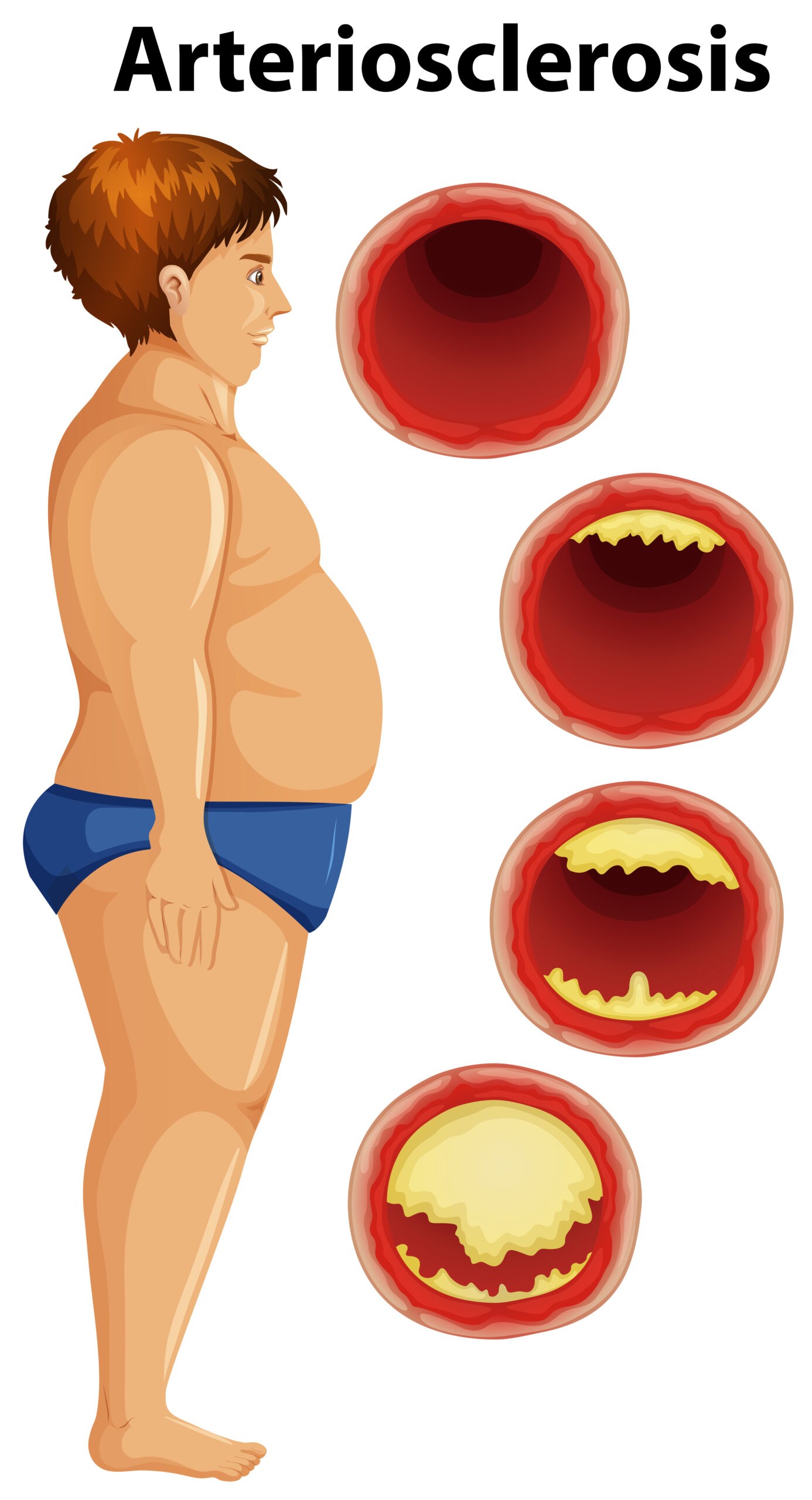 Alcohol raises blood pressure both acutely and chronically. Heavy or regular drinking raises systolic blood pressure, reduces the effectiveness of anti hypertensive medications, and adds significant caloric load that contributes to weight gain. Tobacco smoking constricts blood vessels immediately with every cigarette, causing short-term spikes in blood pressure. Over time, smoking permanently damages the inner lining of blood vessels, accelerating atherosclerosis and raising baseline blood pressure.
8. Age
Blood vessels naturally become less flexible and more rigid with age, requiring the heart to work harder to push blood through them. Blood pressure tends to rise progressively from middle age onward. However, in the context of the African diaspora, age is a less reliable protective factor than many assume. The combination of genetic predisposition, chronic stress, dietary patterns, and physical inactivity means that serious hypertension in our community routinely appears a decade or more earlier than in comparable European populations.
9. Poor sleep and sleep apnea
Sleep is when the body recovers, repairs, and regulates blood pressure. Healthy sleep causes a natural overnight dip in blood pressure called nocturnal dipping. When sleep quality is poor, due to stress, shift work, or sleep disorders, this protective dip is lost, and blood pressure remains elevated throughout the night. Sleep apnea, a condition where breathing repeatedly stops during sleep, causes repeated oxygen desaturation and blood pressure surges throughout the night, significantly increasing the risk of hypertension, heart failure, and arrhythmia. Snoring is not just a nuisance. In many cases it is a medical symptom that needs clinical evaluation.
| ③ SYMPTOMS — WHY HIGH BLOOD PRESSURE IS SO DANGEROUS |
One of the most clinically significant and most dangerous aspects of high blood pressure is that it produces no reliable symptoms in the vast majority of people for most of its course. This distinguishes it from almost every other serious medical condition. There is a persistent and dangerous myth in many African communities that high blood pressure causes headaches, that you can feel it when your pressure is high, or that if you feel well, your blood pressure must be normal. This myth is directly contributing to deaths in our community.
| ⚠️ CRITICAL FACT: You cannot feel high blood pressure The vast majority of people with hypertension feel completely normal. No headache. No dizziness. No discomfort. The absence of symptoms does NOT mean your blood pressure is normal. The ONLY way to know your blood pressure is to measure it. By the time hypertension causes symptoms, serious organ damage has almost always already occurred. |
When symptoms do appear, what do they mean?
In most cases, symptoms associated with hypertension are actually symptoms of the damage it has already caused to organs. By the time you feel them, the disease has been working silently for months or years.
| Symptom | What organ it suggests is already affected | Action required |
| Severe headache, especially at the back of the head | Brain elevated intracranial pressure or impending stroke | Seek urgent medical evaluation. Do not ignore. |
| Blurred or double vision, sudden vision loss | Eyes hypertensive retinopathy or damage to retinal blood vessels | Immediate medical attention |
| Chest pain or tightness | Heart reduced coronary blood flow or heart attack in progress | Call 112 immediately |
| Shortness of breath at rest or minimal exertion | Heart or lungs /early heart failure developing | Urgent Hausarzt or Notaufnahme visit |
| Confusion, difficulty speaking, facial drooping, arm weakness | Brain stroke or transient ischaemic attack (TIA) | Call 112 immediately. Time is critical. |
| Blood in urine, swollen ankles, reduced urine output | Kidneys hypertensive kidney damage (nephropathy) | Urgent Hausarzt evaluation and blood tests |
| Palpitations, racing heart beat, irregular, or pounding heartbeat | Heart arrhythmia potentially developing | Medical evaluation required |
| Nosebleeds (when persistent and unexplained) | Possible sign of very high pressure in fragile nasal vessels | Check blood pressure immediately |
| ④ WHAT UNCONTROLLED HIGH BLOOD PRESSURE DOES TO YOUR BODY |
Every year that blood pressure remains uncontrolled, it is silently damaging the organs most vulnerable to the elevated pressure. Understanding this damage is essential for understanding why treatment and self-management cannot wait.
1. The heart
The heart must pump against the elevated pressure in the arteries with every single beat. Over time, this extra workload causes the heart muscle to thicken and enlarge. A process called left ventricular hypertrophy. While this initially helps the heart cope, the thickened muscle eventually becomes stiff, unable to relax properly between beats, and increasingly unable to pump blood efficiently. This is how hypertension becomes heart failure, often over ten to twenty years of silent, uncontrolled pressure. Hypertension is the leading cause of heart failure in the African community worldwide. It is also a primary driver of coronary artery disease, increasing the risk of heart attack. The relationship between high blood pressure and heart disease is not theoretical. It is the story of millions of preventable deaths.
2. The brain
The brain is one of the most blood-pressure-sensitive organs in the body. Elevated pressure can rupture small blood vessels inside the brain (haemorrhagic stroke) or accelerate the formation of blockages that cut off blood supply to brain tissue (ischaemic stroke). People of African descent have significantly higher rates of stroke than European populations, and stroke in our community tends to occur younger and be more severe. Beyond stroke, uncontrolled hypertension is a leading cause of vascular dementia. The gradual deterioration of cognitive function caused by chronic reduced blood flow to the brain. Memory problems, confusion, and personality changes in middle age are not simply ageing. They may be early signs of decades of hypertensive brain damage.
3. The kidneys
The kidneys are both a victim and a perpetrator of high blood pressure. Elevated pressure damages the delicate filtering units of the kidney (glomeruli), reducing their ability to clean the blood and regulate fluid balance. As the kidneys become damaged, they retain more sodium (salt) and water (fluid), raising blood pressure further and creating a vicious cycle. This cycle, hypertension damaging kidneys, damaged kidneys worsening hypertension — is one of the primary pathways to end-stage kidney failure requiring dialysis. People of African descent carry a three to five times higher genetic risk of a specific kidney disease called FSGS (focal segmental glomerulosclerosis) that accelerates this process dramatically.
4. The eyes
The tiny blood vessels inside the retina at the back of the eye are highly sensitive to elevated blood pressure. Prolonged hypertension causes these vessels to thicken, narrow, leak fluid, and in severe cases rupture a condition called hypertensive retinopathy. In advanced cases this leads to permanent vision loss. Regular eye examinations by an ophthalmologist can actually reveal hypertensive damage before any other organ shows signs, making the eye — quite literally — a window into the cardiovascular system.
5. The arteries throughout the body
Sustained high pressure inside the arteries causes the vessel walls to thicken, stiffen, and lose their natural elasticity. This accelerates atherosclerosis — the buildup of fatty plaques inside the arteries. When these plaques rupture, they trigger clots that block blood flow: in the heart this causes a heart attack, in the brain a stroke, in the legs peripheral arterial disease. Hypertension ages the arteries decades before their time.
| ⑤ HIGH BLOOD PRESSURE & SUDDEN DEATH — THE DIRECT CONNECTION |
This is perhaps the most important section of this blog post. Sudden cardiac death — the unexpected, rapid death of a person from a cardiac cause, usually within one hour of the onset of symptoms or completely without warning — is one of the most devastating events that can happen to a family and a community. And it is more common in our community than most people know.
| 📊 What the evidence shows about our community People of sub-Saharan African descent in Europe experience sudden cardiac death at younger ages and at higher rates than comparable European populations. In many cases, the person had no known history of heart disease — but had undiagnosed or uncontrolled hypertension that had been silently remodelling their heart for years. The African community in Germany is both one of the highest-risk groups and one of the least served by cardiovascular screening and early intervention programmes. |
How does high blood pressure lead to sudden death?
The pathway from uncontrolled hypertension to sudden cardiac death follows a clear but often invisible chain of events. Understanding each step makes it possible to interrupt the chain at multiple points:
| 01 Step | Years of elevated blood pressure cause the left ventricle of the heart to thicken and enlarge — a process called left ventricular hypertrophy (LVH). This thickened, stiff heart muscle is the foundation of future electrical instability. |
| 02 Step | The thickened heart muscle becomes progressively stiffer and less efficient. The electrical conduction system of the heart — which coordinates each heartbeat — is disrupted by the structural changes in the muscle. |
| 03 Step | The disrupted electrical system becomes prone to dangerous arrhythmias — particularly ventricular fibrillation (VF), where the lower chambers of the heart begin to quiver chaotically instead of contracting in a coordinated rhythm. |
| 04 Step | Ventricular fibrillation produces no effective heartbeat. Blood circulation stops within seconds. Consciousness is lost within 10 seconds. Without defibrillation within minutes, death is the outcome. |
| 05 Step | This entire process — from the initial onset of hypertension to the moment of sudden collapse — often spans 10 to 20 years with no symptoms that the person would recognise as warnings. The only intervention window is early detection and sustained blood pressure control. |
Additional mechanisms linking hypertension to sudden death
- Hypertension accelerates coronary artery disease, increasing the risk of acute plaque rupture and sudden heart attack, which can trigger VF
- Uncontrolled hypertension causes aortic dissection — a sudden tearing of the wall of the body’s main artery — which is rapidly fatal in many cases
- Hypertension is the primary cause of haemorrhagic stroke, where a blood vessel in the brain bursts suddenly, causing brain death within minutes
- In people with preexisting heart failure caused by hypertension, acute decompensation triggered by sudden blood pressure elevation can cause rapid deterioration and death.
| 📌 The most important message in this entire post Sudden cardiac death in the African community is not random. It is not fate. It is not God’s will expressing itself without warning. In the majority of cases, it is the final outcome of years of uncontrolled high blood pressure — a condition that can be detected in 2 minutes at any Apotheke in Germany, and managed effectively with lifestyle changes and, where needed, medication. |
| Every sudden death in our community that was preceded by not diagnosed or not managed hypertension was, at least in part, preventable. This is why checking your blood pressure is not optional. It is an act of survival. |
| ⑥ SELF-MANAGEMENT — TAKING CONTROL OF YOUR BLOOD PRESSURE |
Self-management of high blood pressure is not a replacement for medical care, it is an essential partner to it. For people on medication, lifestyle changes make the medication work better and may allow doses to be reduced over time. For people at elevated risk who have not yet been diagnosed with hypertension, the same lifestyle measures are among the most powerful forms of prevention available.
1. Monitor your blood pressure regularly at home
Home blood pressure monitoring is one of the single most empowering health interventions available to you. It is more informative than a single clinic reading, it is free at any pharmacy, and it is the only way to understand how your blood pressure responds to your daily choices.
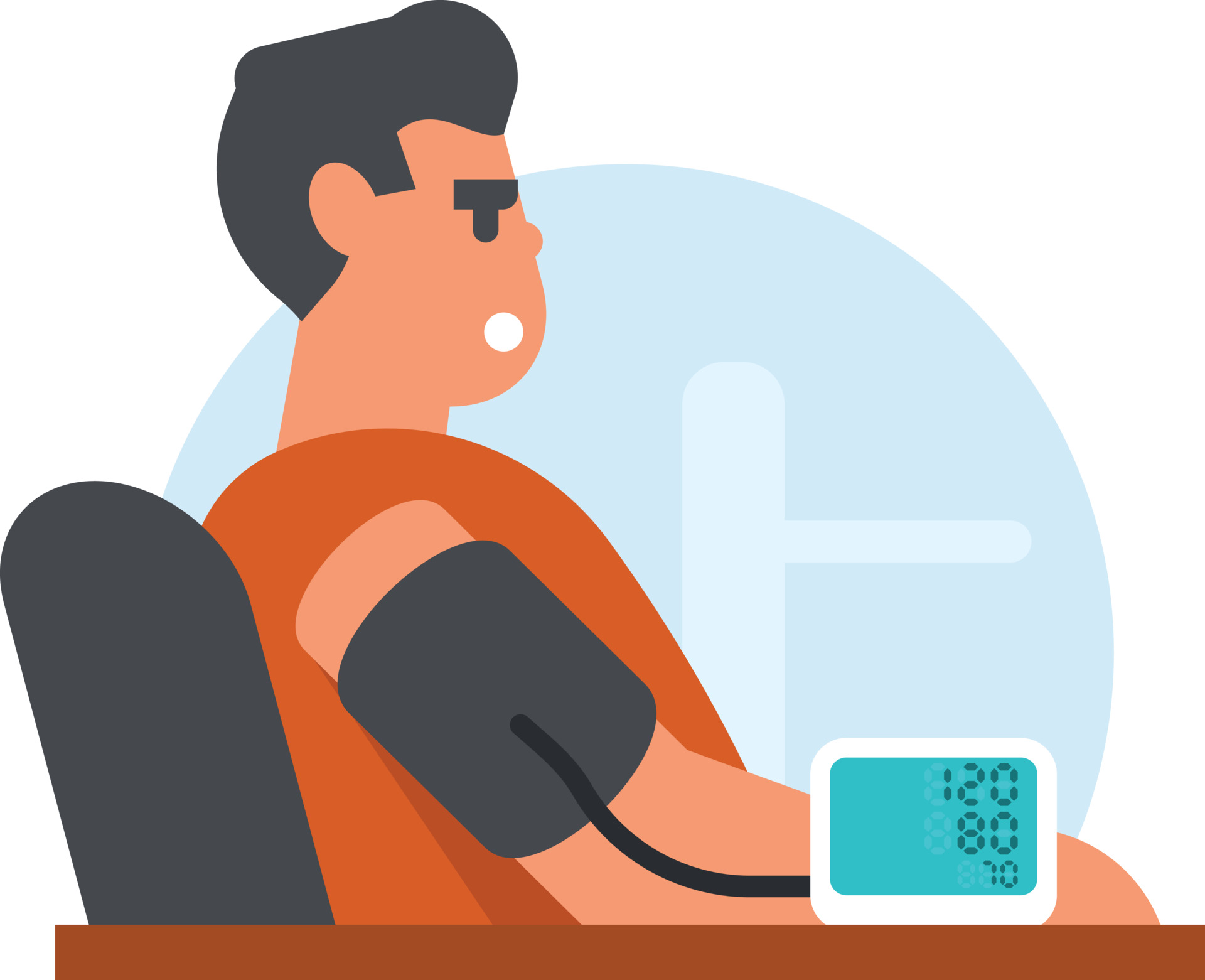
| 📋 How to take an accurate home blood pressure reading Equipment: Use an upper-arm (Oberarm) cuff with a CE mark. Wrist monitors are less accurate. Available at dm, Rossmann, Saturn, or Amazon for €25–50. Preparation: Sit quietly and completely still for 5 full minutes before measuring. Empty your bladder first. Do not measure within 30 minutes of coffee, exercise, or a heavy meal. Position: Sit upright in a chair with your back supported. Feet flat on the floor. The cuff should be at heart level. Do not cross your legs. Measurement: Take two readings one minute apart. Record both. Your result is the average of the two. Timing: Measure at the same time each day — ideally morning before medication and evening before bed. Record-keeping: Write down every reading with the date and time. Bring this record to every doctor’s appointment. |
2. Reduce salt; the single most effective dietary change
Reducing sodium (salt) intake is the most evidence-based dietary intervention for lowering blood pressure. In people with a genetic sensitivity to salt, which is significantly more common in people of African descent, the blood pressure response to salt reduction can be dramatic: reductions of 8 to 14 mmHg systolic have been documented from salt reduction alone.
| Practical salt reduction step | Why it matters |
| Remove the salt shaker from the table completely | Automatic reduction of daily sodium without changing cooking |
| Reduce or eliminate Maggi, Knorr, and similar stock cubes | Each cube contains 1,000–1,200mg sodium — half the daily recommended intake |
| Replace smoked and salted fish with fresh fish where possible | Smoked and salted fish can contain 1,000–3,000mg sodium per serving |
| Read food labels on German supermarket products | Bread, cheese, sausage, and tinned foods are major hidden sodium sources |
| Use herbs, spices, lemon, and garlic to add flavour instead of salt | These enhance flavour without raising blood pressure |
| Cook from fresh ingredients where possible | Processed and convenience foods are the largest sources of dietary sodium |
| Reduce or eliminate added salt in cooking gradually | A 4–6 week gradual reduction resets taste perception without feeling deprived |
3. Regular physical activity
Regular aerobic exercise is a clinically proven antihypertensive intervention. Studies consistently show that 30 minutes of moderate aerobic activity on most days of the week reduces systolic blood pressure by an average of 4 to 9 mmHg — comparable to the effect of some antihypertensive medications. Exercise also reduces body weight, improves insulin sensitivity, lowers cortisol, improves sleep, and reduces arterial stiffness.
- Aim for at least 150 minutes of moderate aerobic activity per week (e.g. brisk walking, cycling, swimming)
- Brisk walking — 30 minutes per day on 5 days per week — is achievable for almost everyone and has significant blood pressure benefits
- Resistance training (light weights or bodyweight exercises) 2 days per week adds additional cardiovascular benefit
- In Germany: use walking paths (Wanderwege), cycling infrastructure, public swimming pools (Hallenbad, typically €3–5 per session), and community Sportvereine (sports clubs) which are often low cost
- Gardening, dancing, and cleaning count as physical activity — any movement is better than no movement
4. Manage stress actively, not passively
Telling someone under chronic diaspora stress to ‘just relax’ is neither useful nor respectful. What matters is building structured, intentional stress management into daily life — because stress will not disappear by willpower alone.
| Strategy | Evidence base | How to start |
| Regular physical activity | Strong evidence for cortisol reduction and blood pressure lowering | 30-minute walk, 5 days per week |
| Quality sleep (7–8 hours) | Sleep deprivation directly raises blood pressure and impairs stress recovery | Set a consistent sleep and wake time. Avoid screens 1 hour before bed. |
| Breathing exercises | Slow diaphragmatic breathing (4 in, hold 4, out 6) reduces blood pressure acutely and chronically | Practice 5 minutes every morning before rising |
| Community and social connection | Social isolation is an independent cardiovascular risk factor | Join the WhatsApp community group. Attend the Zoom sessions. |
| Setting financial and family limits | Chronic financial stress from remittances is a major pressure driver | Agree on a sustainable limit with family. This is not abandonment. It is survival. |
| Professional psychological support | Therapy and counselling address the roots of chronic stress | Ask your Hausarzt for a Psychotherapist referral. It is covered by Krankenkasse. |
5. Adopt a heart-healthy eating pattern
 Beyond salt reduction, the overall dietary pattern has a significant impact on blood pressure. The DASH diet (Dietary Approaches to Stop Hypertension) is the most thoroughly studied dietary pattern for blood pressure management. It emphasizes vegetables, fruits, whole grains, low-fat dairy, lean proteins, nuts and legumes, and strictly limits red meat, saturated fat, sugar, and salt. Many of these principles align beautifully with traditional African cooking at its foundation: abundant vegetables, legumes, whole grains, fermented foods, and fresh fish. The hypertension-driving changes are often the result of diaspora adaptations to Western food environments rather than African food traditions themselves. Returning closer to traditional food foundations, with reduced salt and saturated fat, is both culturally meaningful and clinically beneficial.
- Eat 5 portions of vegetables and fruit per day — fresh, frozen, or cooked (not fried)
- Choose whole grain options where available: brown rice over white, wholegrain bread over white
- Include oily fish (mackerel, sardines, salmon) 2–3 times per week for omega-3 benefit
- Limit red meat to 1–2 portions per week. Choose chicken, fish, or legumes on other days
- Reduce deep-fried foods. Grill, bake, steam, or boil instead
- Increase potassium intake: bananas, sweet potato, spinach, beans, and avocado all help the kidneys excrete sodium more efficiently
6. Achieve and maintain a healthy weight
A weight loss of as little as 5 to 10% of body weight in people who are overweight has been shown to reduce systolic blood pressure by 5 to 20 mmHg. The mechanism is multifactorial: reduced fat mass lowers inflammatory burden, improves insulin sensitivity, reduces kidney fat compression, and decreases the circulatory volume the heart must manage.
Sustainable weight loss comes from a combination of dietary change and increased physical activity, maintained consistently over months rather than weeks. Crash diets, extreme caloric restriction, and unsupervised supplement use are not effective and can be harmful. If you are significantly overweight and have hypertension, speak to your Hausarzt about a structured weight management plan. This is available and covered by your Krankenkasse.
7. Limit alcohol and eliminate smoking
There is no evidence-based safe level of alcohol consumption for someone with hypertension. If you drink, limiting to no more than one standard drink per day for women and two for men is the maximum that current evidence considers manageable. Ideally, stopping altogether is best for blood pressure control. Smoking cessation is one of the single most impactful health decisions a person with hypertension can make. Within 20 minutes of the last cigarette, blood pressure begins to fall. Within 12 months, cardiovascular risk from smoking is reduced by 50%. Your Hausarzt can prescribe evidence-based smoking cessation support including nicotine replacement and medication. This support is available and effective.
8. Take your medication as prescribed every day
If your doctor has prescribed blood pressure medication, taking it consistently is among the most important actions you can take for your cardiovascular health and your survival. Antihypertensive medications do not cure high blood pressure — they control it while they are in your system. Stopping them, even when you feel well, allows blood pressure to rise again, often dramatically and suddenly.
| ⚠️ The most dangerous medication mistake in hypertension management Many patients stop their blood pressure medication when they feel well, believing they are cured or no longer need it. Feeling well is not evidence that your blood pressure is controlled. It is evidence that the medication is working. Stopping antihypertensive medication abruptly — particularly beta-blockers and some calcium channel blockers — can cause a dangerous rebound rise in blood pressure called withdrawal hypertension, which significantly increases the risk of heart attack, stroke, and sudden death in the days and weeks after stopping. If you want to adjust or stop your medication, discuss it with your doctor. Never stop without medical guidance. |
9. Know your numbers and attend regular follow up
 Managing hypertension is not a one-time event. It is a lifelong partnership between you, your Hausarzt, and your own consistent daily choices. Regular follow-up appointments allow your doctor to monitor the effectiveness of treatment, adjust medication if needed, check for organ damage through blood tests and urine analysis, and review your cardiovascular risk comprehensively.
- Know your target blood pressure: for most people with hypertension, this is below 130/80 mmHg
- Attend every Hausarzt follow-up appointment — even when you feel well
- Ask for annual blood tests including kidney function (Kreatinin, GFR), HbA1c for diabetes screening, and lipid panel for cholesterol
- Ask your Hausarzt for a Echocardiography referral if you have Stage 2 hypertension, to assess whether the heart muscle has been affected
- Ask for an ophthalmologist referral for a retinal examination every 2 years
| ⑦ NAVIGATING BLOOD PRESSURE CARE IN THE GERMAN HEALTH SYSTEM |
| What you need | Who to see | How to access it |
| First blood pressure check | Apotheke (pharmacy) | Free. Walk in. No appointment. |
| Diagnosis and treatment initiation | Hausarzt (GP) | Register with one if you have not. Bring your recorded BP readings. |
| Specialist cardiac evaluation | Kardiologin / Kardiologe | Requires an Überweisung (referral) from your Hausarzt |
| Heart ultrasound (Echokardiographie) | Kardiologin / Kardiologe | Referral from Hausarzt. Covered by Krankenkasse. |
| Blood pressure medication | Hausarzt or Kardiologin | Prescription (Rezept) required. Most medications covered by Krankenkasse. |
| Stress management and psychological support | Psychotherapist | Referral from Hausarzt. Covered by Krankenkasse. |
| Find a Hausarzt | kassenarzt.de or Jameda app | Search by postcode and language if needed |
| Language support in appointments | Dolmetscher (interpreter) | You have a legal right to interpretation. Ask when booking. |
| 💬 How to talk to your Hausarzt about blood pressure Prepare before your appointment. Write down: your recorded blood pressure readings from home (with dates), any symptoms you have noticed, your family history of blood pressure, heart disease, stroke, or kidney disease, and any questions you want answered. Say clearly: ‘Ich mache mir Sorgen um meinen Blutdruck.’ (I am concerned about my blood pressure.) Or in English: ‘I would like to have my blood pressure properly evaluated and discuss whether I need treatment.’ |
| You have the right to a second opinion (Zweitmeinung). You have the right to understand every decision made about your care. You have the right to interpretation support. Use them. |
Sudden cardiac death is not inevitable. Heart failure is not inevitable. The path to both of them runs through years of unmanaged high blood pressure. And high blood pressure is detectable, manageable, and often controllable — with knowledge, consistency, and the right support.
You deserve to know your numbers. Your family deserves to have you he
 Written by Thelma Fischer
Heart Failure Nursing Specialist (DGK) · 21 years of clinical nursing experience
Heart Catheter Laboratory Nurse · Patient & Family Educator · Nurse Mentor
MEDICAL DISCLAIMER: This blog post is written for educational purposes only. It does not constitute medical advice, diagnosis, or treatment. Individual medical situations vary. Always consult a qualified healthcare professional for personal health concerns. In a medical emergency, call 112.
Thank you for your lecture on blood pressure management and the fundamentals of how our bodies function. I appreciate the knowledge you shared, and I admire your efforts as an experienced registered nurse to educate our community. It’s especially meaningful that you’re addressing the health challenges faced by immigrants and working to pass on practical information where it’s most needed.
Thank you 🙏
So encouraging. Please do share with others. Only so can we help our community.